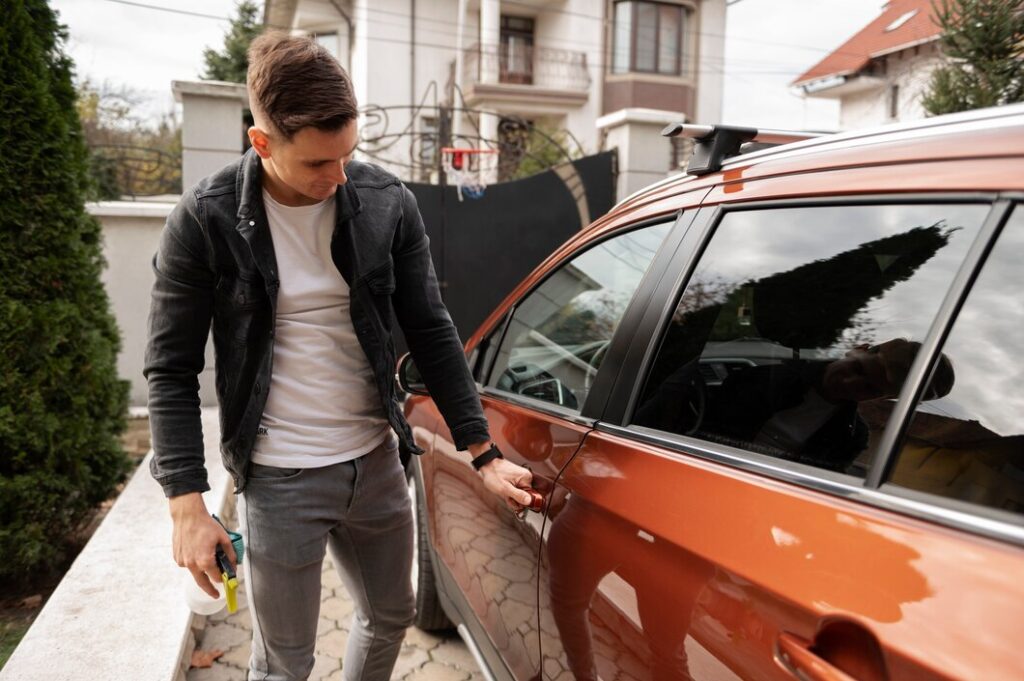
A dead key fob in a parking garage, a key snapped off in the ignition, or a locked door with the engine still running can all derail a day. In those moments, towing the car to a shop is often the last thing anyone wants to do. A mobile automotive locksmith comes to the vehicle instead, carrying the tools needed to solve many key and lock problems on the spot.
Companies such as A Plus Capital Locksmith work this way, travelling to a driver’s home, workplace, or roadside location. This guide explains what an on-site locksmith can and cannot do, how the process works, and what to prepare before you call.
What Is a Mobile Automotive Locksmith?
A mobile automotive locksmith is a trained technician who services vehicle locks, keys, and ignition systems from a fully equipped van rather than a storefront. The van holds key blanks, programming equipment, cutting machines, and specialty tools for different makes and models.
The difference from a traditional shop is location. At a fixed shop, the car has to come to the technician. With a mobile service, the technician comes to the car. This matters most when the vehicle cannot be driven, the owner has no spare key, or the situation is time sensitive.
An automotive locksmith is not the same as a general locksmith who mainly works on houses. Modern vehicles contain electronic immobilizers, transponder chips, and encrypted key systems. Working with them takes specific training and diagnostic equipment, not just lock picks.
Services a Mobile Automotive Locksmith Can Perform on Site
The range of work depends on the technician’s equipment and the vehicle, but most mobile providers handle the following jobs at the customer’s location.
1. Vehicle Lockout Assistance
Lockouts are among the most common calls. A technician can open a locked car without damaging the door, window, or paint, using specialized tools designed for that purpose. This applies to locked doors, locked trunks, and situations where keys are visible inside the vehicle.
2. Car Key Replacement
Losing the only key is stressful, but it is usually fixable. Car key replacement involves cutting a new key and, for most vehicles built in the last twenty years, programming it so the engine control system recognizes it. A locksmith can often do both at the vehicle, even when no working key exists, which is called an “all keys lost” situation.
3. Transponder Key and Key Fob Programming
Many keys contain a small chip that communicates with the car. If the chip is not programmed to match the vehicle, the engine will not start even if the key turns. Mobile locksmiths use diagnostic tools to pair new keys or fobs with the vehicle’s computer. They can also reprogram remotes that have stopped responding.
4. Broken Key Extraction
When part of a key snaps off inside a door lock or ignition cylinder, forcing it out can cause further damage. Technicians use thin extraction tools to remove the fragment, then cut a replacement key if needed.
5. Ignition Repair and Replacement
A worn ignition cylinder may cause a key to stick, refuse to turn, or fail to start the engine. A locksmith can repair or replace the cylinder and cut keys to match it, which is often less costly than replacing the whole ignition assembly through a dealer.
6. Door Lock and Trunk Lock Repair
Locks that jam, spin freely, or no longer respond to the key can be repaired or rebuilt. This work is usually straightforward to perform where the car is parked.
7. Spare Key Duplication
Having a spare key made before an emergency is simpler and cheaper than creating a key from scratch after losing every copy. A technician can clone or program an additional key without a trip to a shop.
Why Mobile Service Makes Sense for Many Drivers
On-site service is not necessary for every situation, but it offers practical advantages in several cases.
- No towing required. If the car will not start without a programmed key, moving it can mean paying for a tow before any repair begins.
- Faster resolution. The technician works at the vehicle, which removes travel time to and from a shop.
- Safer in difficult locations. A lockout in a dark parking lot or on a busy road is better handled quickly, without waiting for transport.
- Verification at the vehicle. The technician can confirm the vehicle’s make, model, and lock type in person, which reduces the chance of cutting the wrong key.
- Less disruption. Drivers can often stay at home or work while the job is completed.
Mobile Locksmith vs. Dealership: How They Compare
Dealerships can supply replacement keys, but the process usually differs from a mobile visit. Dealers typically require the vehicle to be brought in, and for lost keys that may mean towing. Appointments are often scheduled days ahead, and key orders can add waiting time.
A mobile locksmith can generally cut and program keys during a single visit. For many mainstream makes and models, the result is functionally the same: a key that opens the doors and starts the engine. For certain high-security or recent models, dealer involvement may still be needed. Asking the locksmith directly is the most reliable way to find out.
How a Mobile Automotive Locksmith Visit Works
Knowing the sequence helps you prepare and spot a legitimate service.
Step 1: The Initial Call
You describe the problem and provide the vehicle’s make, model, and year. The locksmith can usually explain the likely solution and give a price estimate, or at least a range, before traveling.
Step 2: Arrival and Verification
Before starting work, a professional technician will ask for proof that you own or are authorized to use the vehicle. Typical documents include:
- A government-issued photo ID
- Vehicle registration or title
- A rental agreement, if the car is rented
This step protects owners. A locksmith who skips verification entirely is a warning sign.
Step 3: Assessment and Work
The technician inspects the lock or ignition, confirms the key type, and begins the repair, cutting, or programming. Programming usually involves connecting a diagnostic tool to the vehicle’s onboard port.
Step 4: Testing
Before finishing, the technician should test every function: manual lock, remote buttons, door entry, and engine start. Check that all new keys work before you pay.
Location Matters: Serving Specific Los Angeles Neighborhoods
Response areas vary between companies, so it helps to confirm coverage when you call. Drivers in the Wilshire corridor and surrounding blocks can look at the automotive locksmith service in Koreatown for details on what is offered locally.
Dense urban areas bring their own challenges, such as tight parking structures, street parking restrictions, and heavy traffic. A technician familiar with the neighborhood can plan around these factors and reach the vehicle more efficiently.
What to Prepare Before You Call
A few details speed up the process and help the locksmith bring the right equipment.
- Vehicle information: make, model, year, and trim level if known
- Your exact location: a street address, cross streets, or parking level
- The problem in plain terms: lost key, broken key, no response from the fob, or locked doors
- Proof of ownership: registration, title, or rental paperwork, plus photo ID
- The VIN: the 17-character number on the dashboard near the windshield or on the driver’s door jamb
If you still have one working key, mention it. Copying an existing key is generally simpler than creating one from nothing.
Tips for Choosing a Reliable Locksmith
Not every provider operates the same way. These checks can help you avoid problems.
- Ask for a clear estimate. Reputable companies explain what is included and what could change the price.
- Confirm the business details. A real company has a verifiable name and address and can provide documentation on request.
- Look for identification. A technician should identify themselves and, where required locally, show license information.
- Be cautious of very low quotes. An unusually low phone price that grows on arrival is a common complaint in the industry.
- Ask about experience with your vehicle. Some makes require special tools, and a straight answer up front saves time.
You can also review the full list of locksmith services a company offers to see whether automotive work is a core part of its operation rather than an occasional add-on.
Limits of Mobile Locksmith Service
A mobile visit is practical, but it is not a cure for every problem. Being clear about the limits sets realistic expectations.
- Some newer vehicles use encrypted systems that may require manufacturer-specific equipment.
- Severe mechanical damage to a steering column or ignition assembly may call for a shop repair.
- Certain security features may restrict how many new keys can be added, or require a waiting period.
- Weather and access conditions can affect how quickly and safely work can be done outdoors.
A good locksmith will tell you plainly when a job is beyond what can be done on site, rather than starting work that cannot be finished.
Preventing Key Problems Before They Happen
A little planning lowers the odds of an emergency call.
- Keep a spare key somewhere secure, but not inside the vehicle.
- Replace worn keys before they break. Keys with visible wear, bent shafts, or rounded edges are at risk.
- Change fob batteries every couple of years, or when the range starts to shrink.
- Avoid carrying heavy key rings, which can wear down the ignition cylinder over time.
- Store your VIN and ownership documents where you can reach them quickly.
Conclusion
A mobile automotive locksmith offers a practical alternative when a car key or lock problem leaves you stuck. From lockouts and broken keys to car key replacement and transponder programming, many jobs can be completed where the vehicle is parked, without towing or a dealership appointment. The best results come from preparing your vehicle details and ownership documents, asking clear questions about pricing, and choosing a provider that verifies who you are before starting work.
If you need help with a specific vehicle, you can contact our team with your car’s details and location to find out what can be done at your site.
Frequently Asked Questions
What does a mobile automotive locksmith do?
A mobile automotive locksmith travels to your vehicle to handle lockouts, key cutting, key programming, broken key removal, and ignition or lock repair. The work is done at your location using tools carried in a service van.
Can a locksmith make a car key without the original?
In most cases, yes. A technician can cut a key using the lock’s code or by decoding the lock itself, then program it to the vehicle if it has a transponder chip. Some high-security vehicles may need extra steps or manufacturer codes.
Is car key replacement cheaper through a locksmith than a dealer?
It often is, especially when towing is involved, but the price depends on the vehicle, key type, and location. Because costs vary widely, ask for an estimate that covers cutting, programming, and any service fee before you agree to the work.
How long does a mobile locksmith visit take?
Simple lockouts may take a few minutes once the technician arrives. Key cutting and programming usually take longer, and complex or high-security vehicles can take more time. The locksmith can give a realistic estimate after learning your vehicle details.