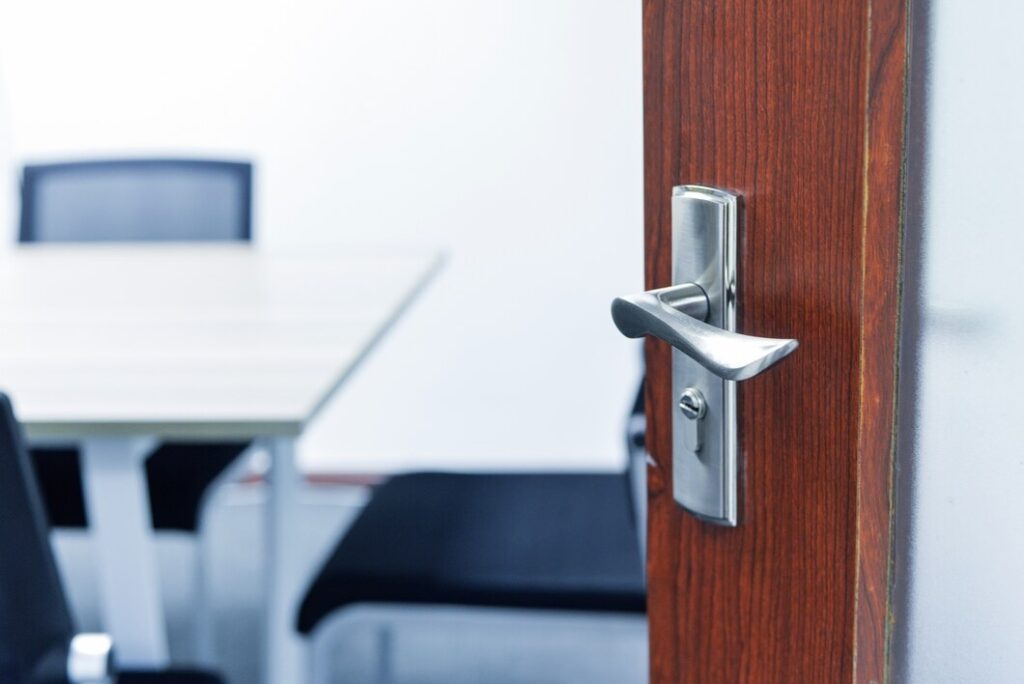
Every business has at least one entrance that separates its inventory, equipment, records, and people from the outside world. When that entrance relies on a worn lock, an outdated key system, or a door that no longer closes properly, the risk grows quietly until something goes wrong. Professional commercial door locksmith services exist to prevent that outcome by matching the right hardware, installation, and maintenance to the way your building is actually used.
This guide explains what a commercial locksmith does, which lock types suit different doors, how to recognize early warning signs, and what to look for when hiring a provider. Companies such as A Plus Capital Locksmith work with retail shops, offices, restaurants, and multi-tenant buildings, and the principles below apply whether you manage one storefront or several locations.
Why Business Entrance Security Matters
A residential lock protects a household. A commercial lock protects payroll, customer data, stock, equipment, and often the safety of employees who open and close the building every day. The stakes are different, and so are the requirements.
Commercial doors also face heavier use. A front door at a busy store may open hundreds of times a day, which wears down latches, hinges, closers, and cylinders much faster than a home door. Add multiple employees, shared keys, and changing staff, and key control becomes a real management task.
Weak entrance security can lead to several problems:
- Theft or vandalism after hours
- Insurance claims that are harder to support if hardware did not meet policy requirements
- Employee safety concerns during late shifts
- Disruption when a lock fails and the business cannot open on time
- Compliance issues if exit hardware does not follow fire and building codes
Treating door security as a planned part of operations, rather than a repair you make after an incident, is usually less expensive and less stressful.
What Commercial Door Locksmith Services Include
A commercial door locksmith handles a wider range of work than most people expect. The job goes beyond cutting keys. It covers assessment, hardware selection, installation, repair, and ongoing support. For a broader overview of everything a locksmith can handle across residential, automotive, and business needs, you can review the full list of locksmith services available.
1. Lock Installation and Replacement
New businesses, renovations, and tenant turnovers often call for new locks. A locksmith can evaluate the door material, frame condition, and traffic level, then recommend hardware rated for that environment. Grade matters here. Commercial hardware is commonly rated by ANSI/BHMA grades, with Grade 1 offering the highest durability and security for heavy use.
2. Rekeying and Master Key Systems
When an employee leaves or a tenant moves out, rekeying changes the internal pins of a lock so old keys no longer work. This is usually faster and cheaper than replacing every lock. For buildings with many doors, a master key system lets managers open multiple locks with one key while giving staff access only to the doors they need.
3. Emergency Lockouts and Break-In Repair
Lockouts, broken keys, and damaged doors after an attempted break-in rarely happen at a convenient time. Emergency service focuses on restoring access and securing the opening quickly, often by repairing or replacing the damaged lock, strike plate, or door frame section so the business is not left exposed overnight.
4. Access Control and Exit Hardware
Many businesses now use keypads, card readers, or electronic strikes in place of traditional keys. These systems create an access record and make it easy to remove a credential without changing the lock. Locksmiths also install and service panic bars and fire-rated exit devices, which must allow quick exit while still keeping the door secure from the outside.
Signs Your Business Doors Need Professional Attention
Locks and doors usually give warning before they fail. Watch for these signals:
- Keys that stick, turn roughly, or need jiggling
- A door that no longer latches without pushing or lifting
- Loose handles, wobbling lock bodies, or visible rust
- Door closers that slam or fail to close the door completely
- Gaps between the door and frame that let light or air through
- Scratches, pry marks, or bent strike plates near the lock
- Former employees or tenants who may still hold working keys
Any one of these can be a minor issue, but several together suggest the entrance is no longer performing as designed. A quick inspection by a locksmith can separate simple adjustments from real replacements.
How to Choose a Commercial Door Locksmith
Not every locksmith has the same experience with commercial work. Commercial jobs often involve fire codes, accessibility rules, multiple doors, and coordination with property managers, so a few checks are worthwhile before you hire.
1. Verify Licensing and Insurance
Many states and cities require locksmiths to hold a license, and a legitimate provider will be willing to share proof of both licensing and liability insurance. This protects you if a door or frame is damaged during the work.
2. Ask About Commercial Experience
Ask whether the locksmith regularly handles master key systems, panic hardware, and access control. A provider who focuses on commercial work will understand how these systems interact and what inspectors expect.
3. Request Clear Pricing Before Work Begins
A reputable locksmith will explain labor, parts, and any service call fees up front. Be cautious about quotes that sound unusually low over the phone and then grow once someone arrives.
4. Look for Local Availability
Response time matters when a door will not lock at closing time. A locksmith who works in your area can usually arrive faster and is more familiar with local building types and regulations.
Commercial Locksmith in Korea Town: Local Considerations
Business districts with dense foot traffic, late hours, and mixed-use buildings have their own security needs. In Los Angeles, Koreatown is a good example. Restaurants, karaoke venues, salons, medical offices, and retail shops often sit within a few blocks of each other, and many operate well past midnight. Buildings range from older structures with mortise locks to newer developments with electronic access.
For these reasons, a commercial locksmith in Korea Town is often asked to handle a mix of tasks in one visit: rekeying after a staff change, repairing a damaged storefront door after a break-in attempt, or upgrading a back entrance that faces an alley. Late-night businesses in particular benefit from sturdy exit hardware and good lighting near entrances, since staff may be closing alone.
If you manage property in a busy district like this, consider a few practical steps:
- Document every key issued and collect keys when staff leave
- Rekey locks at each tenant change rather than assuming old keys were returned
- Test emergency exits on a regular schedule
- Keep a relationship with a local provider so urgent calls do not start from scratch
Working with a locksmith who already knows the neighborhood and building styles shortens response time and reduces guesswork.
Preventive Maintenance for Commercial Doors
Many lock failures are really maintenance failures. A short routine can extend the life of your hardware and reduce emergency calls.
- Lubricate lock cylinders and hinges with a product made for locks, not general oil that attracts dust
- Check that strike plates are firmly secured and aligned with the latch
- Inspect door closers for speed and smooth operation
- Tighten loose screws on handles, hinges, and exit devices
- Replace worn or heavily copied keys instead of continuing to use them
- Schedule an annual security review, especially after renovations or staff changes
Even a few minutes each month can reveal small problems before they turn into a failed lock on a busy morning.
What Affects the Cost of Commercial Locksmith Work
Pricing varies because commercial jobs vary. The main factors include:
- Number of doors and locks involved
- Hardware grade and brand
- Whether the work is routine or an emergency call
- Door and frame condition, including repair needs
- Complexity of the system, such as master keying or access control
- Time of day and travel distance
Asking for an itemized estimate makes it easier to compare options and understand where the money goes. In many cases, a modest upgrade in hardware grade costs less over time than repeated repairs on lower-quality locks.
Conclusion
Strong business security begins at the door. The right lock type, correct installation, reliable key control, and regular maintenance work together to protect your property and the people inside it. Commercial door locksmith services make that process manageable by assessing what each entrance needs and keeping it working as conditions change.
If you are planning an upgrade, dealing with a damaged lock, or simply want an honest review of your current setup, you can contact us to discuss your doors and what a practical security plan might look like for your building.
Frequently Asked Questions
What does a commercial door locksmith do?
A commercial door locksmith installs, repairs, rekeys, and maintains locks and related hardware for businesses. This includes deadbolts, mortise locks, panic bars, master key systems, and electronic access control. Many also provide emergency lockout and break-in repair.
How often should a business rekey its locks?
Rekey whenever an employee with keys leaves, a tenant moves out, or keys are lost or stolen. Even without those events, many businesses review key control annually to confirm that only current staff hold access.
Is rekeying better than replacing a commercial lock?
Rekeying is often the more economical choice when the lock itself is in good condition and only the key needs to change. Replacement makes sense when the hardware is worn, damaged, or no longer meets the security level the door requires.
Can a locksmith install electronic access control on existing doors?
In many cases, yes. Keypads, card readers, and electric strikes can be added to existing doors, though the door, frame, and power source must be suitable. A locksmith can assess this during a site visit.